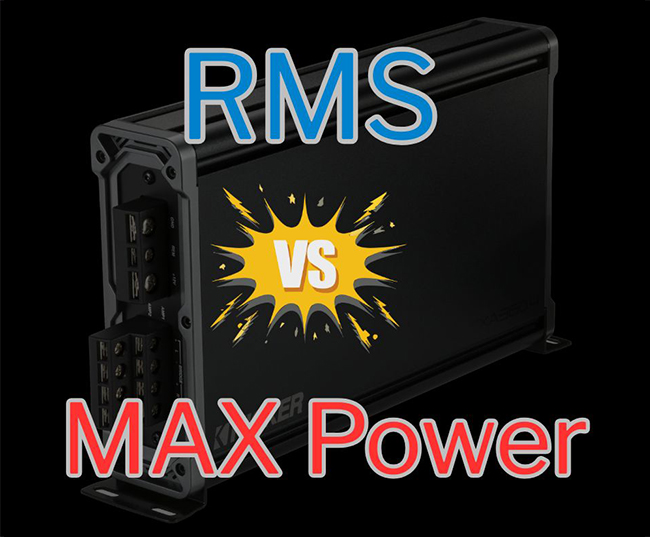
What RMS Power Really Means (And Why Peak/Max Power Is Mostly Marketing)
When shopping for car or marine audio equipment, power ratings are usually the first thing people look at.
“1000 watts.”
“2000 watts max.”
“Ultra-high power output.”
But here’s the truth: most of these big numbers don’t tell you how a product will actually perform in the real world.
If you really want to understand sound quality, reliability, and value, you need to understand RMS power — and why peak power is largely a marketing number.
What Is RMS Power?
RMS stands for Root Mean Square. While that sounds technical, the concept is pretty simple:
RMS power is the amount of continuous power an amplifier can deliver, or a speaker can handle, over time without distortion or damage.
In other words:
- It’s the power you can actually use
- It reflects real listening conditions
- It’s the most honest indicator of performance
If you listen to music for more than a split second (which you do), RMS is what matters.
Why Peak or Max Power Gets So Much Attention
Peak power (sometimes called “max power”) refers to the absolute maximum power level a component can handle for a very brief moment — often milliseconds.
It’s not:
-
Sustainable
-
Realistic
-
Something you’ll ever use continuously
So why is it everywhere?
Because Big Numbers Sell.
“1000W MAX” looks more impressive than “300W RMS” — even though the 300W RMS product will almost always outperform a cheaper “1000W max” alternative.
Peak power isn’t necessarily false — it’s just not useful for system design or real-world performance.
RMS Power vs Peak Power: A Simple Example
Imagine two amplifiers:
-
Amplifier A:
-
1000W Peak
-
250W RMS
-
Amplifier B:
-
600W Peak
-
400W RMS
Even though Amplifier A has a bigger “headline” number, Amplifier B will be louder, cleaner, and more reliable in everyday use.
Why? Because music is continuous — not a single spike.
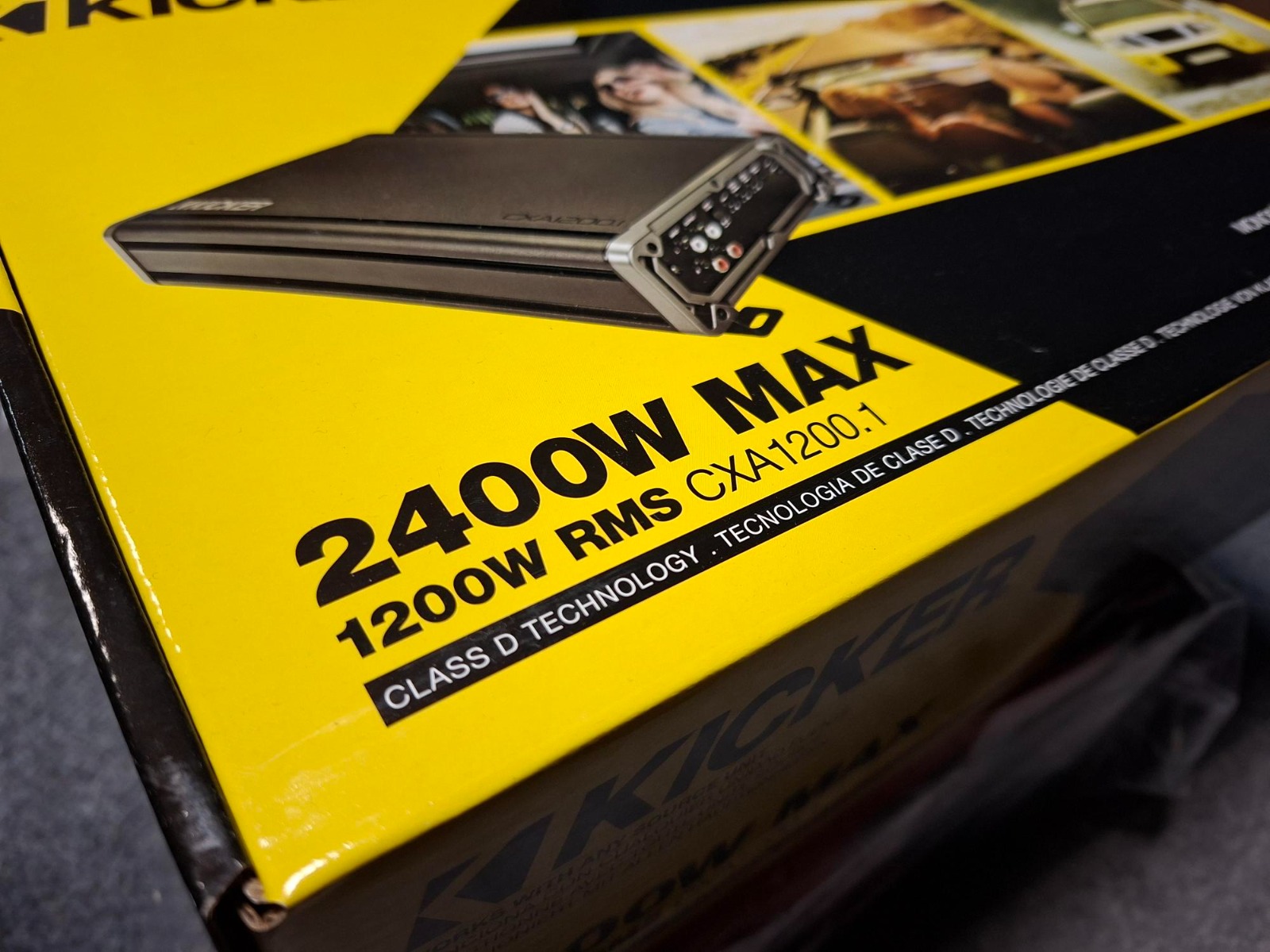
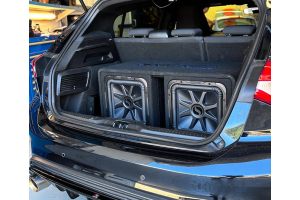
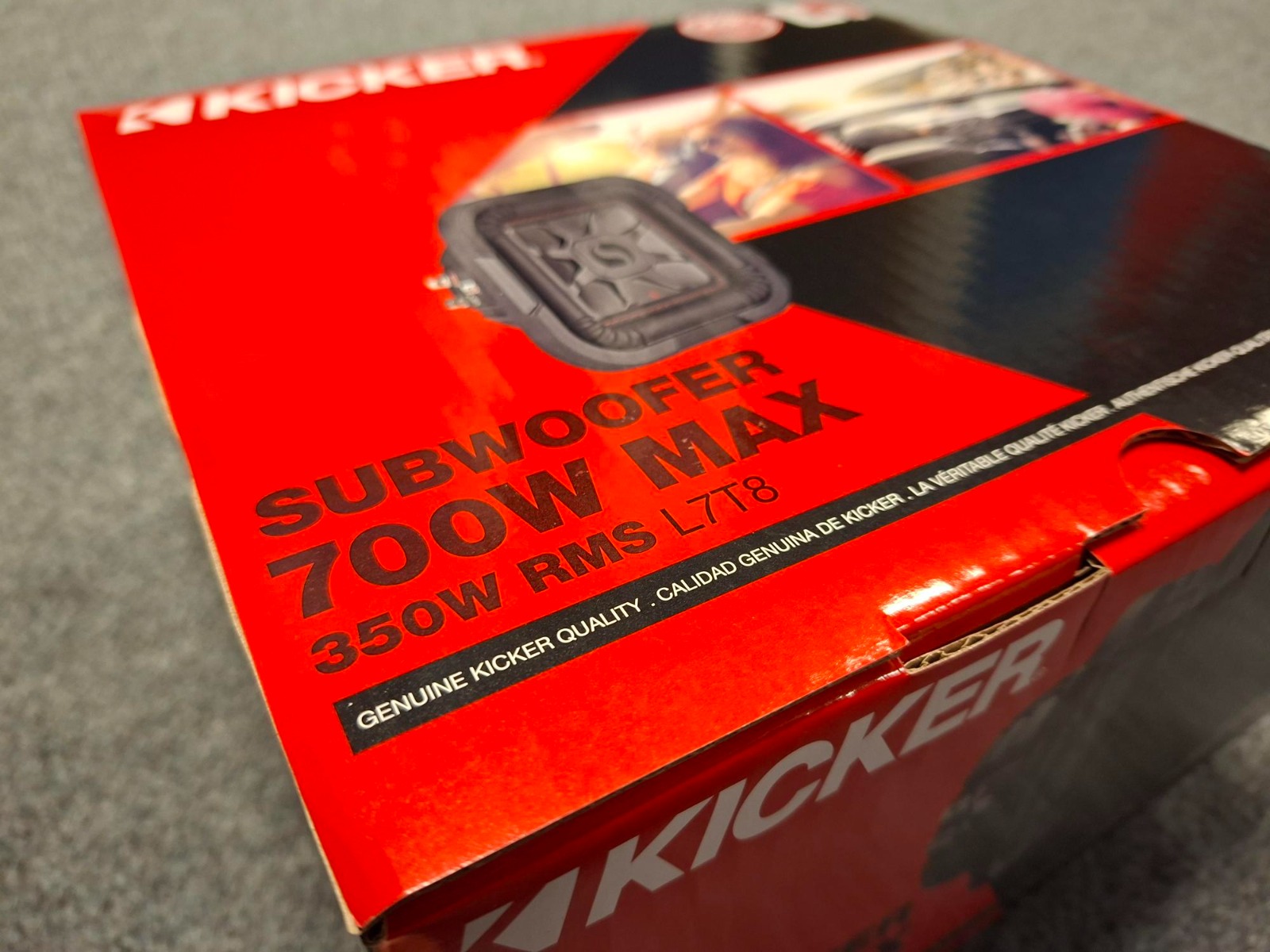
Let’s take a look at the examples above from Kicker. You’ll notice that both MAX power and RMS power ratings are clearly shown. With most well-respected brands, the MAX power rating is typically around double the RMS power rating.
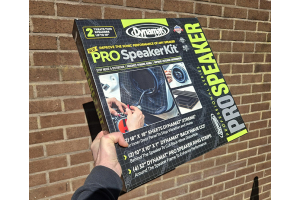
When you start seeing MAX power figures that are four, five, or even six times higher than the RMS rating, that’s a good time to rethink. Without naming names, this is often seen with budget brands commonly found in non-specialist retailers, where inflated MAX power numbers are used as a marketing tactic. The large, eye-catching figure on the box is designed to grab attention, even though it doesn’t reflect real-world performance.
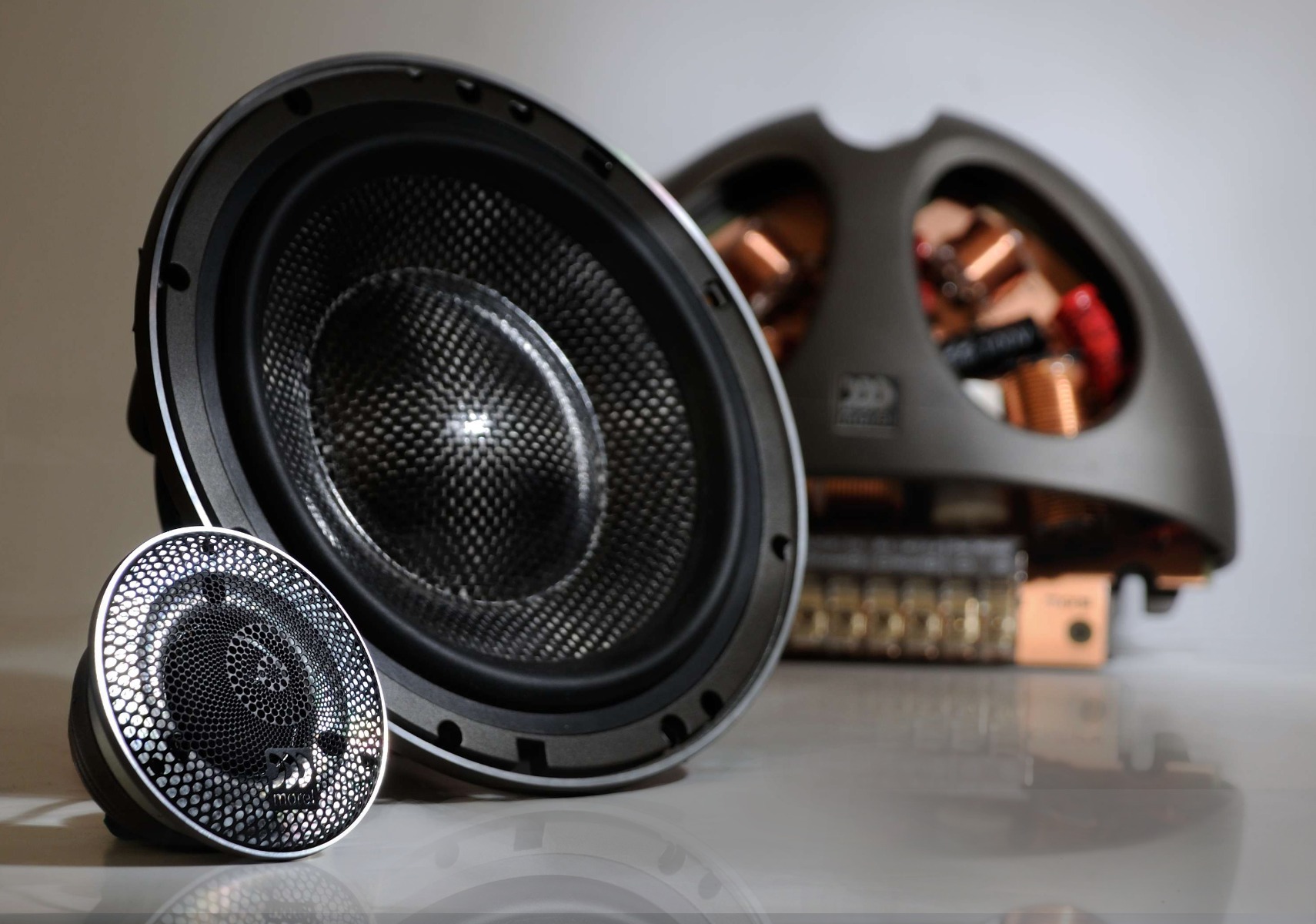
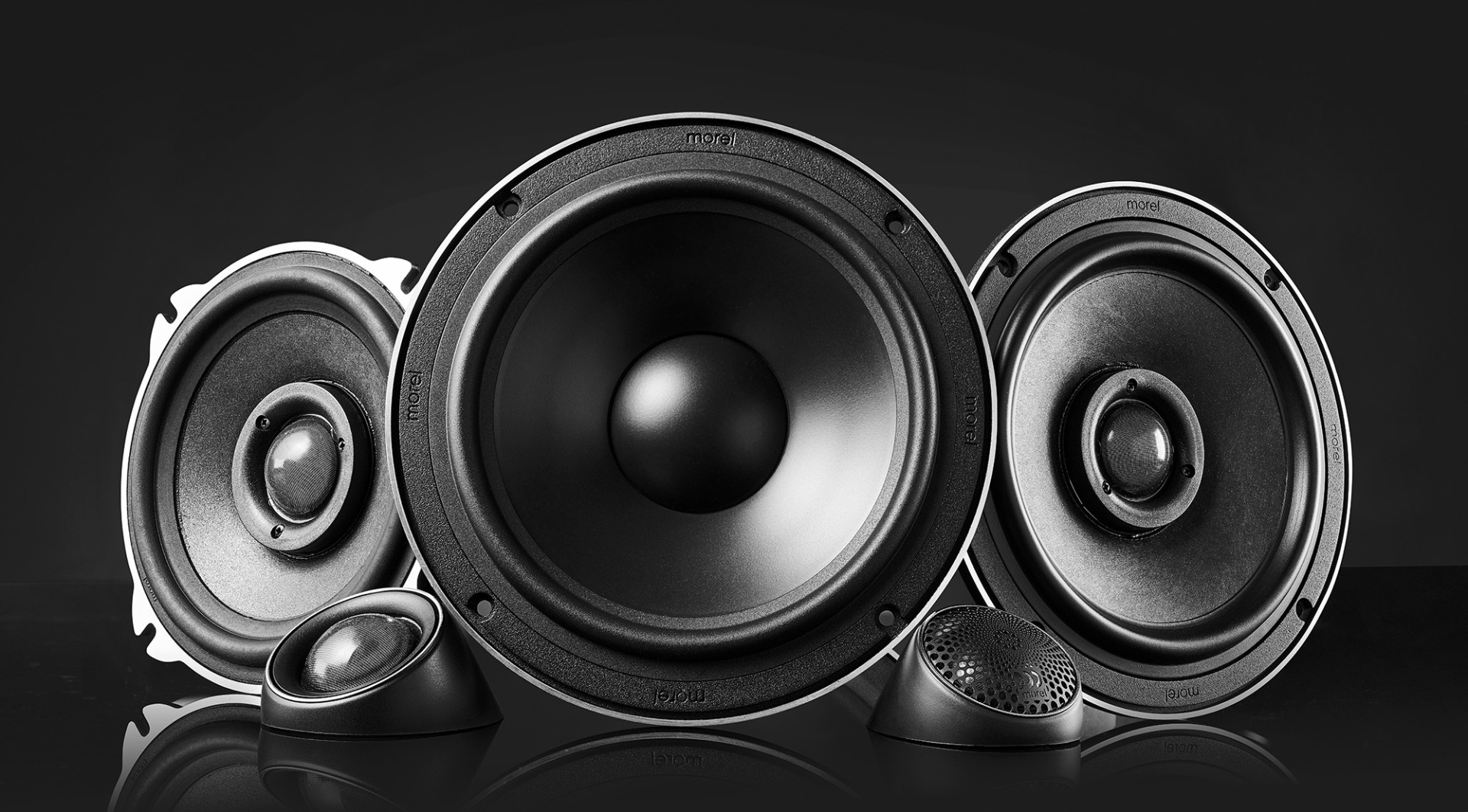
That’s why we always recommend visiting a local car audio specialist. They can guide you toward reputable brands such as Kicker, Morel, MTX Audio, and Wavtech, among others, and help you choose equipment that delivers genuine performance and reliability.
Speakers and RMS: The Other Half of the Equation
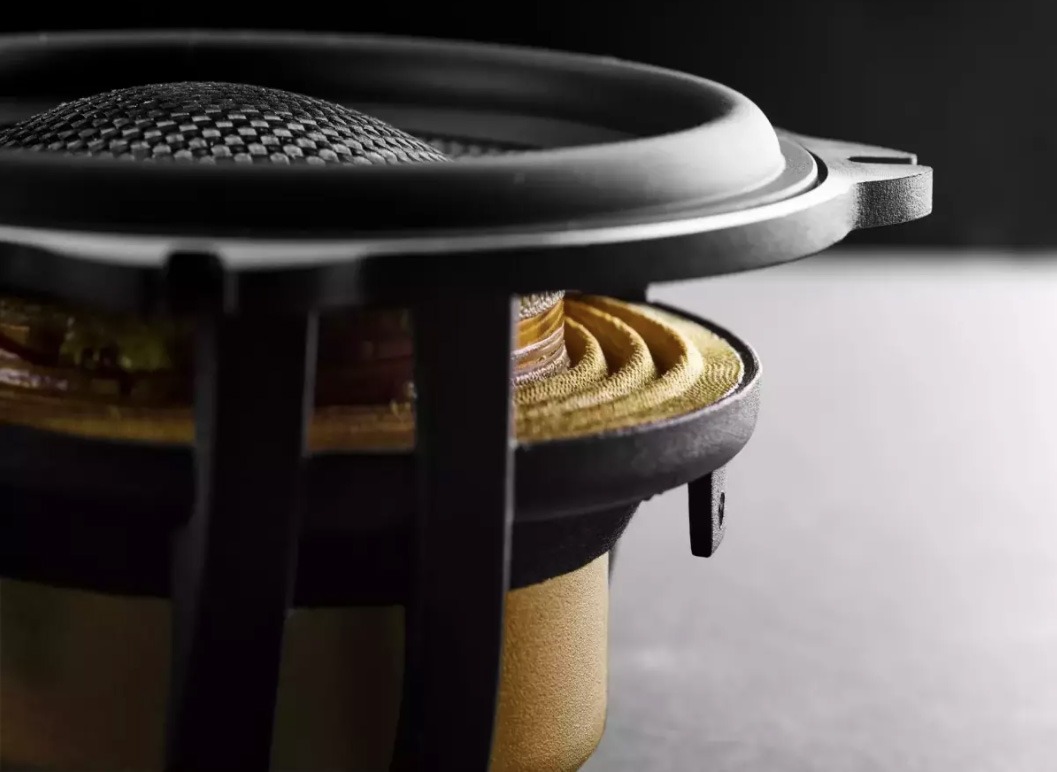
Speakers also have RMS ratings, and matching them correctly is critical.
Contrary to popular belief:
- Slightly more RMS power (clean power) is safer than too little
- Underpowering can causes more damage than overpowering
A speaker rated at 100W RMS will perform best when paired with an amplifier capable of delivering around that level cleanly — not one struggling to keep up.
We're not saying that low listening volumes will damage speakers. However, using an underpowered amplifier often leads people to turn the volume up to compensate. When this happens, the amplifier can begin to clip, sending distorted signals to the speaker — and over time, that distortion is what can damage your equipment.
If a product only highlights peak power and hides RMS specs, that’s a red flag.
Why RMS Matters More for Sound Quality
When an amplifier is pushed beyond its RMS capability, it starts to clip. Clipping creates:
- Harsh distortion
- Excess heat
- Increased risk of speaker damage
A properly matched RMS system:
Plays cleaner
Sounds fuller
Lasts longer
- Is easier on your electrical system
This is especially important in marine environments, where heat, moisture, and vibration already push equipment harder.
The Bottom Line
Peak power looks good on a box.
RMS power tells you how a system will actually sound and perform.
If you want:
- Cleaner sound
- Better reliability
- Gear that lasts
Always compare RMS to RMS, not peak to peak.
And if you’re ever unsure, talk to a professional who understands system design — not just spec sheets.